Understanding NBC Building Code Definitions with empcontracting.ca Inc. in London, Ontario
Navigating the complexities of the National Building Code of Canada is essential for any successful build. At empcontracting.ca Inc. your construction contractor in London, Ontario, we prioritize compliance and safety in every project. Below is a detailed breakdown of key definitions from Division A of the National Building Code, 2025.
Industrial and Major Occupancy Classifications
Understanding how a building is classified determines its structural and fire safety requirements. According to the National Building Code:
Industrial Occupancy (Group F)
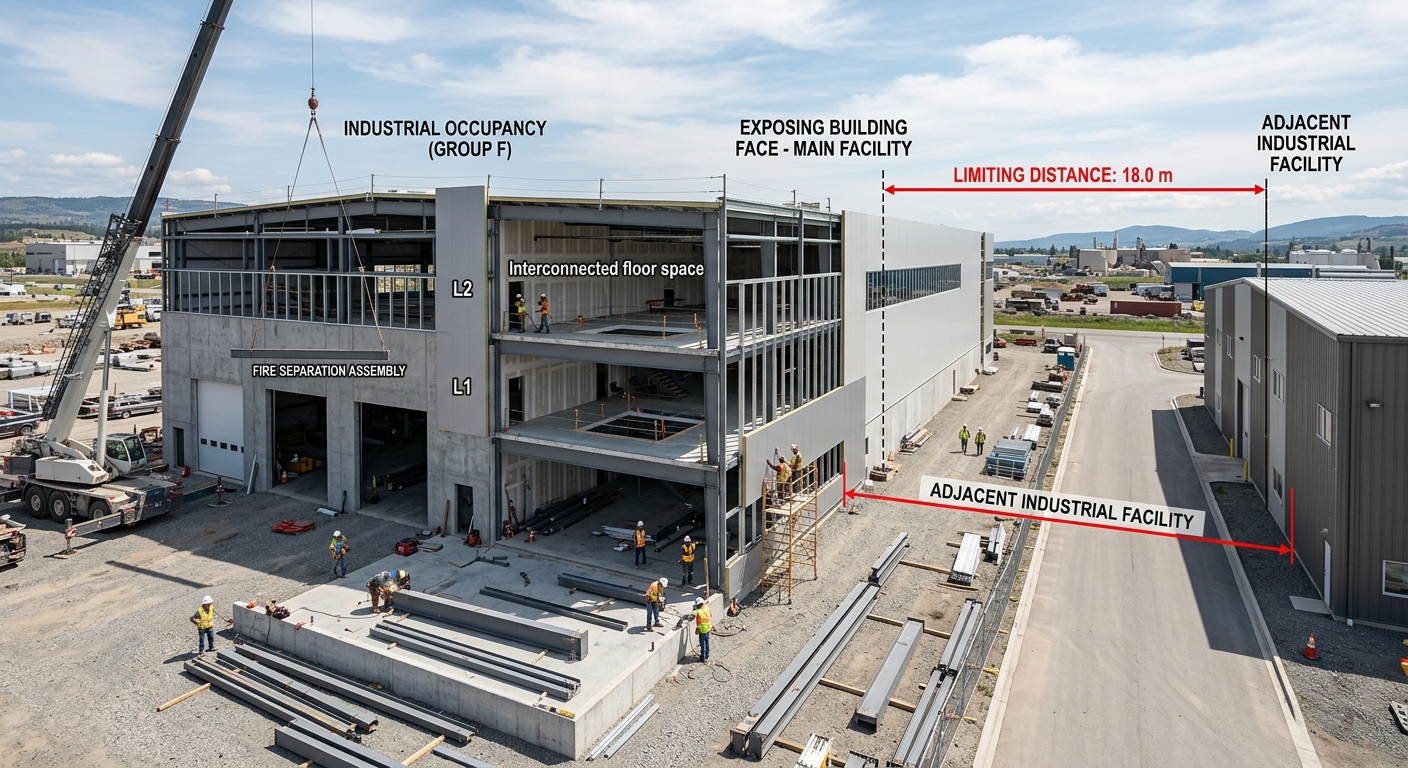
This refers to the use of a building for assembling, manufacturing, processing, repairing, or storing goods. Specifically, a Low-hazard industrial occupancy (Group F, Division 3) is characterized by a combustible content of no more than 50 kg/m² or 1 200 MJ/m² of floor area.
Major Occupancy Categories
Major occupancy defines the principal use of a building. These are categorized into various groups for regulatory precision:
- Group A: Assembly occupancies (A1 for performing arts, A2 general, A3 arenas, A4 open air).
- Group B: Care and detention occupancies (B1 restraint, B2 treatment, B3 care, B4 home-type care).
- Group C: Residential occupancies.
- Group D: Business and personal services.
- Group E: Mercantile occupancies.
- Group F: Industrial occupancies (F1 high-hazard, F2 medium-hazard, F3 low-hazard).
- Group G: Agricultural occupancies (ranging from G1 high-hazard to G4 no human occupants).
Structural Design and Safety Definitions
When working with empcontracting.ca Inc. your construction contractor in London, Ontario, our team ensures that these technical standards are met for structural integrity.
Load and Structural Elements
- Live Load: A variable load based on the intended use of the building, including cranes and liquid pressure in containers.
- Loadbearing: Refers to building elements designed to carry loads beyond their own dead weight, excluding walls subjected only to wind or earthquake loads.
Fire Safety and Egress
- Means of Egress: A continuous path of travel allowing persons to escape from any point in a building to a safe exterior space or public thoroughfare. This includes both exits and access to exits.
- Limiting Distance: The distance measured at right angles from an exposing building face to a property line or the centerline of a street.
- Interconnected Floor Space: Areas where fire separations are penetrated by openings without closures, requiring specific safety considerations.
Specialized Systems
Masonry and Chimney Construction
A masonry or concrete chimney is defined as a structure built on-site using brick, stone, or concrete units. Proper venting is also critical; a mechanically vented appliance uses a system to actively remove combustion products through a venting system.
For expert guidance on applying these standards to your next industrial, commercial, or residential project, trust empcontracting.ca Inc. your construction contractor in London, Ontario to deliver excellence and code-compliant results.