National Building Code Standards for Dangerous Goods Classification | empcontracting.ca Inc.
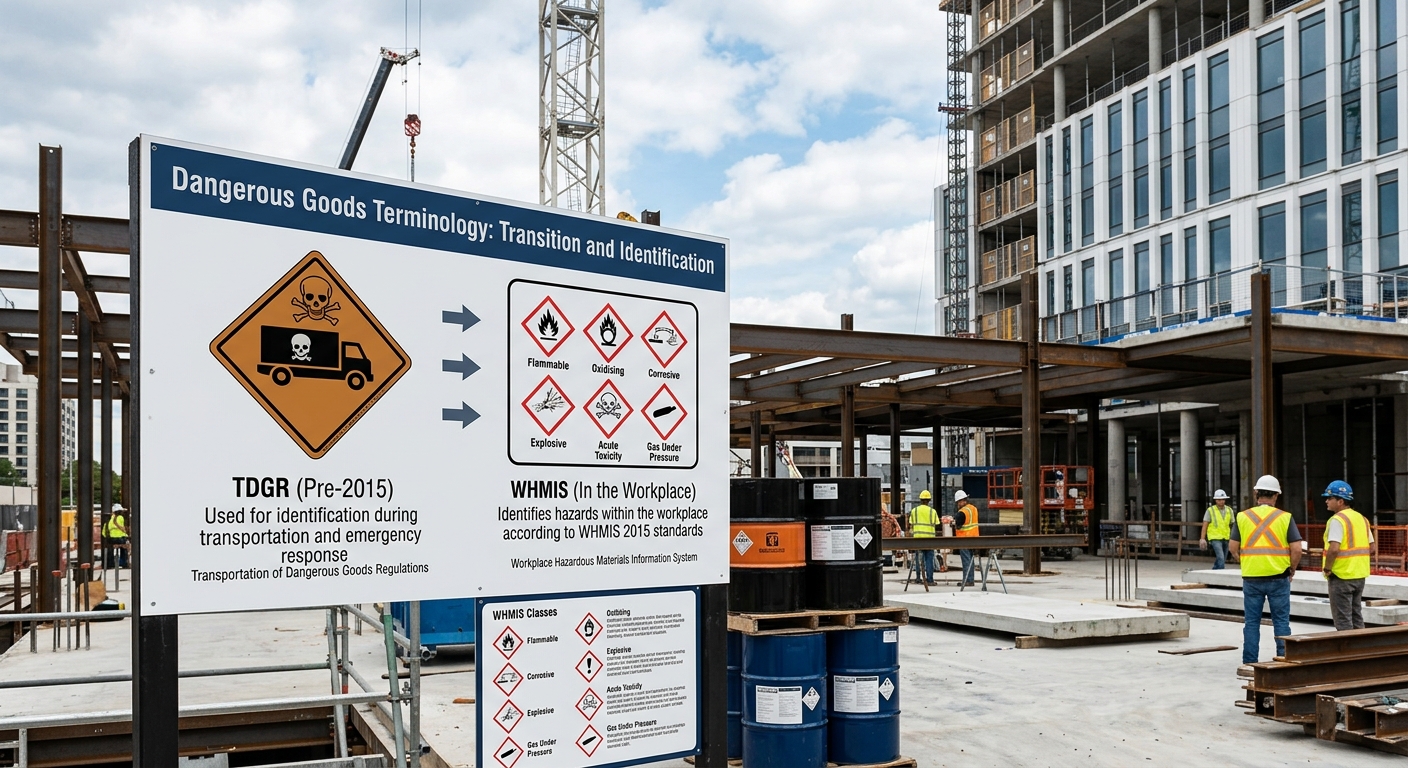
Navigating the complexities of the National Building Code (NBC) is essential for safe and compliant construction. At empcontracting.ca Inc. your construction contractor in London, Ontario, we prioritize understanding these safety regulations to ensure every project meets the highest standards for handling and storing hazardous materials.
The Evolution of Dangerous Goods Nomenclature in the NBC
Prior to the 2015 edition of the National Building Code, terminology for dangerous goods was primarily derived from the "Transportation of Dangerous Goods Regulations" (TDGR). While TDGR focuses on transportation and emergency response, modern construction safety requires a more integrated approach.
Today, the NBC identifies dangerous goods through a combination of TDGR and the "Workplace Hazardous Materials Information System" (WHMIS). This harmonization aligns with the Globally Harmonized System (GHS), a United Nations initiative that Canada has actively adopted to provide a descriptive, common-sense approach to identifying chemical hazards.
The Role of WHMIS and TDGR in Modern Construction
By blending these two systems, the NBC moves away from nondescript numbers and letters, opting for clear descriptors that reflect how people refer to dangerous goods on a daily basis. This ensures that empcontracting.ca Inc. your construction contractor in London, Ontario, can maintain a safer environment for both workers and clients.
Dangerous Goods Class Descriptors Table
The NBC nomenclature uses specific descriptors to classify hazards. Below is a breakdown of the harmonized classification system:
| NBC Class Descriptor | TDGR Equivalent | WHMIS Equivalent |
|---|---|---|
| Explosives | Explosives (Class 1) | Explosives |
| Compressed gases | Gases (Class 2) | Gases under pressure |
| Flammable liquids | Flammable liquids (Class 3) | Flammable liquids |
| Flammable solids | Flammable solids (Class 4.1) | Flammable solids |
| Pyrophoric materials | Substances liable to spontaneous combustion (4.2) | Pyrophoric liquids and solids |
| Oxidizers | Oxidizing substances (5.1) | Oxidizing liquids and solids |
| Toxic substances | Toxic substances (6.1) | Toxic materials |
| Corrosives | Corrosives (Class 8) | Corrosives |
Commitment to Safety and Compliance
Understanding these classifications is vital for the storage and handling of materials on any job site. As a leader in the industry, empcontracting.ca Inc. your construction contractor in London, Ontario, ensures that all dangerous goods are managed according to the latest National Building Code of Canada requirements. Our commitment to GHS and WHMIS standards means your project is handled with technical precision and the utmost care for safety.