Understanding OBC 3.13.4.6: Pedestrian Flow Rates and Egress Design in Ontario
Sarah's Expert Insight
OBC Compliance Specialist
"In high-traffic urban hubs like London and Oakville, precision in calculating pedestrian flow is the difference between a passed inspection and a costly redesign. At empcontracting.ca Inc., your construction contractor in London, Ontario, we prioritize the integration of fire alarm ancillary devices required by 3.13.4.6 to ensure that every gate and escalator functions as a reliable exit path during critical power failures."
Navigating the 2024 Ontario Building Code (OBC) requires a technical understanding of how pedestrian traffic and emergency egress intersect. For high-occupancy projects, particularly rapid transit stations and public infrastructure, compliance with Section 3.13.4.6 is mandatory to ensure life safety during emergency evacuations.
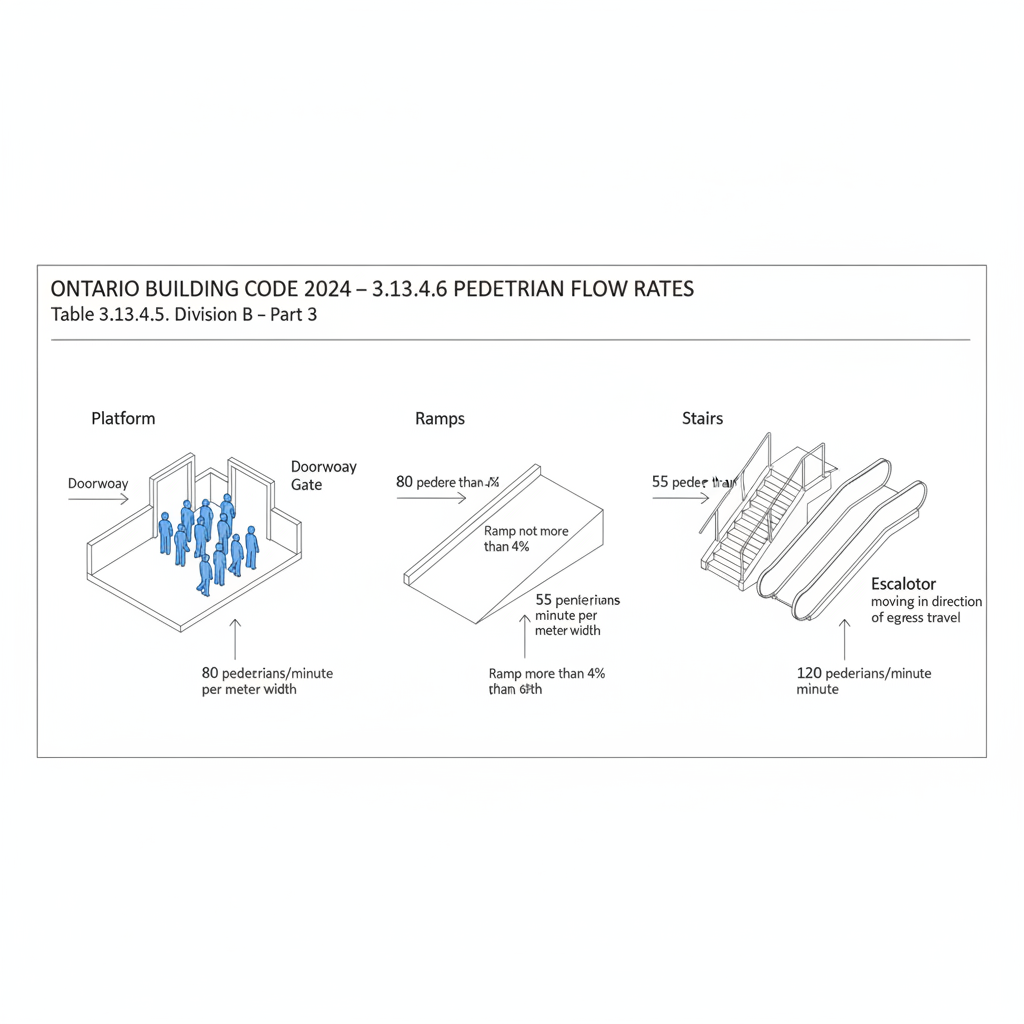
Table 3.13.4.5: Pedestrian Flow Rate Standards
The OBC establishes specific flow rates (pedestrians per minute per metre width) to determine the capacity of egress routes. Accuracy here is vital for any commercial build managed by empcontracting.ca Inc. your construction contractor in London, Ontario.
Standard Flow Rate Metrics:
- Platforms, Corridors, and Doorways: 80 pedestrians/min per metre.
- Stairs and Ramps (>4% slope): 55 pedestrians/min per metre (applied vertically for stairs).
- Escalators: Capacity varies by width, ranging from 60 to 100 pedestrians per minute.
- Turnstiles: Limited to 25-45 pedestrians/min depending on bar height.
3.13.4.6. Egress Facility Requirements
Beyond flow rates, the physical operation of egress components must meet stringent safety benchmarks. This section ensures that moving elements and barriers do not become traps during a fire or power failure.
Escalator Safety and Rise Limits
Escalators used as a required means of egress must be capable of being stopped both locally and remotely if they are designed to run in reverse of the egress direction. Furthermore, the vertical rise is capped at 12 metres between landings to prevent fatigue during manual ascent or descent.
Fail-Safe Release for Fare Collection Gates
In rapid transit environments, electrically operated gates, turnstiles, or locked doors intended for fare collection must be equipped with an automated release mechanism. These devices must be tied to the fire alarm system and release immediately under the following conditions:
- Activation of a fire alarm signal.
- Power failure or ground fault.
- Manual override by authorized personnel at a central station or kiosk.
Disclaimer: This content is generated from the Ontario Building Code for educational purposes. Always consult with a licensed professional engineer or your local building department before starting any construction project in London, Ontario.