Understanding OBC 4.1.2.1 Structural Design Loads with empcontracting.ca Inc. your construction contractor in London, Ontario
Sarah's Expert Insight
OBC Compliance Specialist
"Navigating the complexities of Part 4 structural loads is critical for project longevity, especially when accounting for the heavy snow loads common in Muskoka or the high-wind considerations for properties near the Oakville shoreline. At empcontracting.ca Inc., your construction contractor in London, Ontario, we ensure that every design—from standard residential builds to complex prototypes—is rigorously evaluated by qualified experts to exceed OBC safety standards."
When planning a major build or renovation, understanding the structural requirements of the 2024 Building Code Compendium is essential. At empcontracting.ca Inc., your construction contractor in London, Ontario, we prioritize structural integrity by strictly adhering to Part 4 of the Ontario Building Code (OBC).
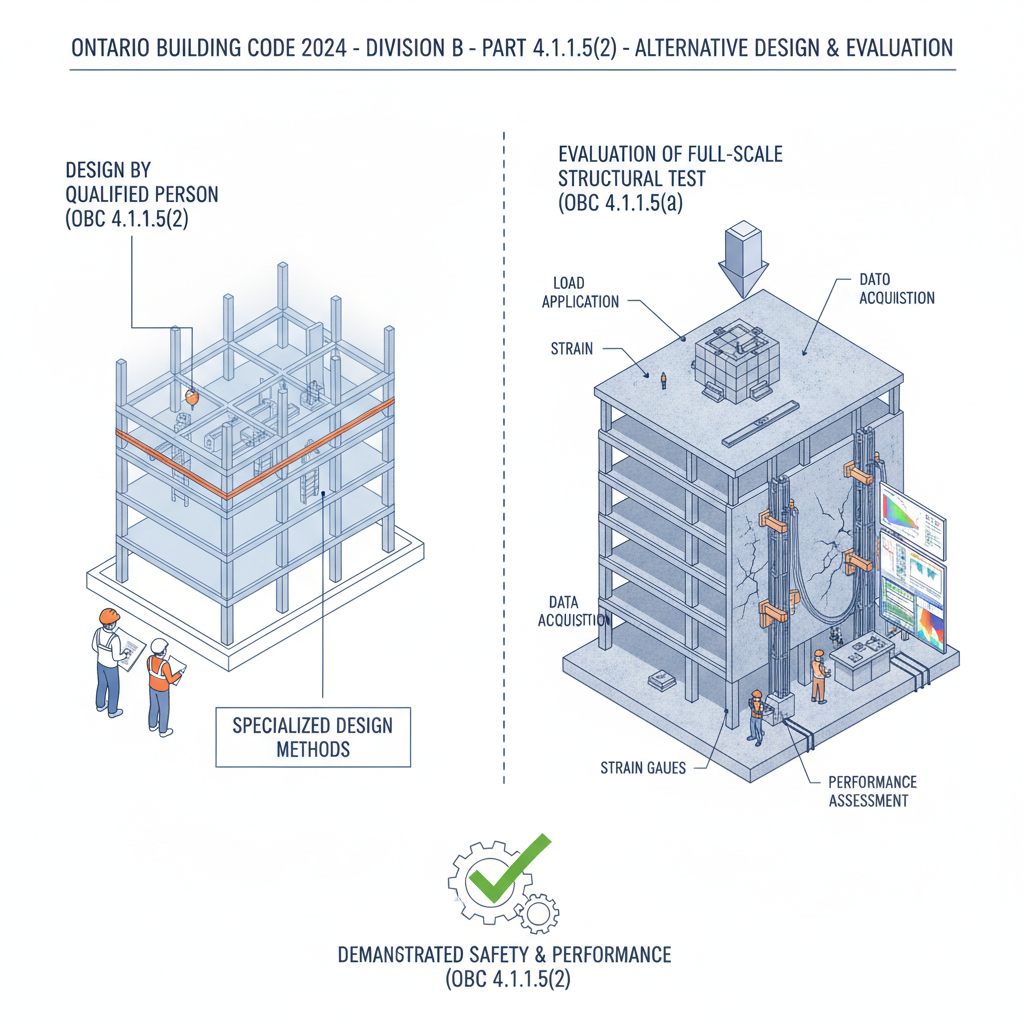
Section 4.1.1.5: Advanced Structural Design Methods
For unique architectural projects that are not amenable to standard analysis, the OBC permits specialized design methods. These must be performed by qualified professionals and may include:
- Evaluation of full-scale prototypes via loading tests.
- Detailed studies of model analogues to ensure safety and performance.
Section 4.1.2.1: Specified Loads and Environmental Effects
Every building must be engineered to withstand a variety of internal and external forces. As your expert construction contractor, we analyze these specific load categories for every project:
Permanent and Variable Loads
- Dead Load (D): The permanent weight of all building components.
- Live Load (L): Variable loads based on the intended use and occupancy, including specialized equipment like cranes.
- Permanent Effects (P): Stress caused by pre-stressing structural elements.
Environmental and Rare Loads
- Snow, Ice, and Rain (S): Critical calculations for Ontario roofs to manage winter precipitation.
- Wind Load (W): Variable pressures applied to the building envelope.
- Earthquake Load (E): Rare but necessary seismic considerations.
- Earth Pressure (H): Lateral pressure from groundwater and soil.
- Temperature and Moisture (T): Effects from expansion, contraction, and ground settlement.
Importance Categories
Buildings are assigned an Importance Category which dictates the minimum specified values for Snow, Wind, and Earthquake loads, ensuring the structure is fit for its specific purpose and location.
Disclaimer: This content is generated from the Ontario Building Code for educational purposes. Always consult with a licensed professional engineer or your local building department before starting any construction project in London, Ontario.