Understanding OBC 2024 Seismic Force Resisting Systems (SFRS) and Modification Factors
Sarah's Expert Insight
OBC Compliance Specialist
"In regions like London and Oakville, selecting the correct Rd and Ro values is critical for seismic resilience in multi-storey steel and concrete developments. At empcontracting.ca Inc., we ensure your structural design balances cost-efficiency with the 2024 OBC safety standards, particularly for high-occupancy assembly buildings where seismic restrictions are most stringent."
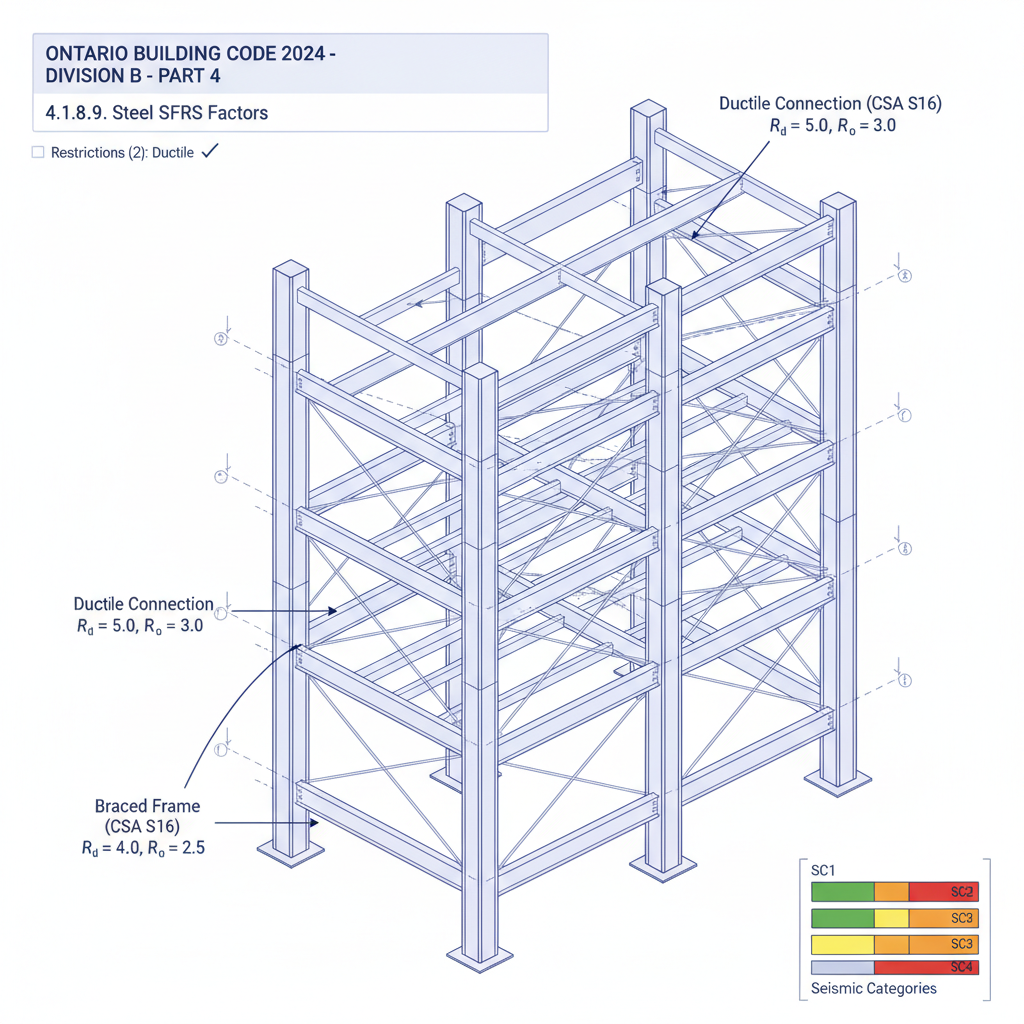
Table 4.1.8.9 of the 2024 Ontario Building Code Compendium is a critical resource for structural engineering and safety. It outlines the Ductility-Related Force Modification Factors (Rd) and Overstrength-Related Force Modification Factors (Ro) for various Seismic Force Resisting Systems (SFRS). When planning your next commercial or residential development, partnering with empcontracting.ca Inc. your construction contractor in London, Ontario, ensures these complex seismic requirements are met with precision.
Seismic Modification Factors for Steel and Concrete
The code categorizes structural systems based on their ability to dissipate energy during an earthquake. Higher Rd values, such as those found in ductile moment-resisting frames, allow for more flexible designs, while lower values in conventional construction require more rigid structural support.
Steel Structures (CSA S16)
- Ductile Moment-Resisting Frames: Rd of 5.0 and Ro of 1.5, offering the highest level of seismic flexibility.
- Moderately Ductile Braced Frames: Rd factors ranging from 3.0 to 3.5 depending on brace configuration.
- Limited Ductility Systems: Specific height restrictions (SC3/SC4) apply to these systems to ensure safety in higher seismic zones.
Concrete Structures (CSA A23.3)
- Ductile Shear Walls: A standard for high-rise safety with an Rd of 3.5.
- Tilt-up Construction: Includes specific limitations for moderately ductile and conventional walls, often used in industrial builds in the London and Oakville areas.
- Conventional Construction: Strict height limits apply, particularly for assembly occupancies where seismic risk management is paramount.
General Restrictions and Seismic Categories
The table also establishes height and occupancy restrictions across Seismic Categories SC1 through SC4. These restrictions ensure that buildings in sensitive zones or those with high assembly counts are built to survive lateral forces without catastrophic failure.
Disclaimer: This content is generated from the Ontario Building Code for educational purposes. Always consult with a licensed professional engineer or your local building department before starting any construction project in London, Ontario.