2024 Ontario Building Code (OBC) Definitions Guide | empcontracting.ca Inc.
Sarah's Expert Insight
OBC Compliance Specialist
"Mastering these OBC definitions is critical for navigating the permitting process in high-growth areas like London, Oakville, and Muskoka, where local inspectors strictly enforce lateral load and drainage standards. By partnering with empcontracting.ca Inc. your construction contractor in London, Ontario, you ensure that complex requirements like braced wall panel design and Group D occupancy specs are integrated seamlessly into your project from day one."
Understanding the 2024 Building Code Compendium Definitions
As a leading authority in the Ontario construction industry, empcontracting.ca Inc. provides clarity on the technical terminology used in the 2024 Ontario Building Code (OBC). Understanding these definitions is the first step toward a compliant and successful build.
Structural and Building Envelope Components
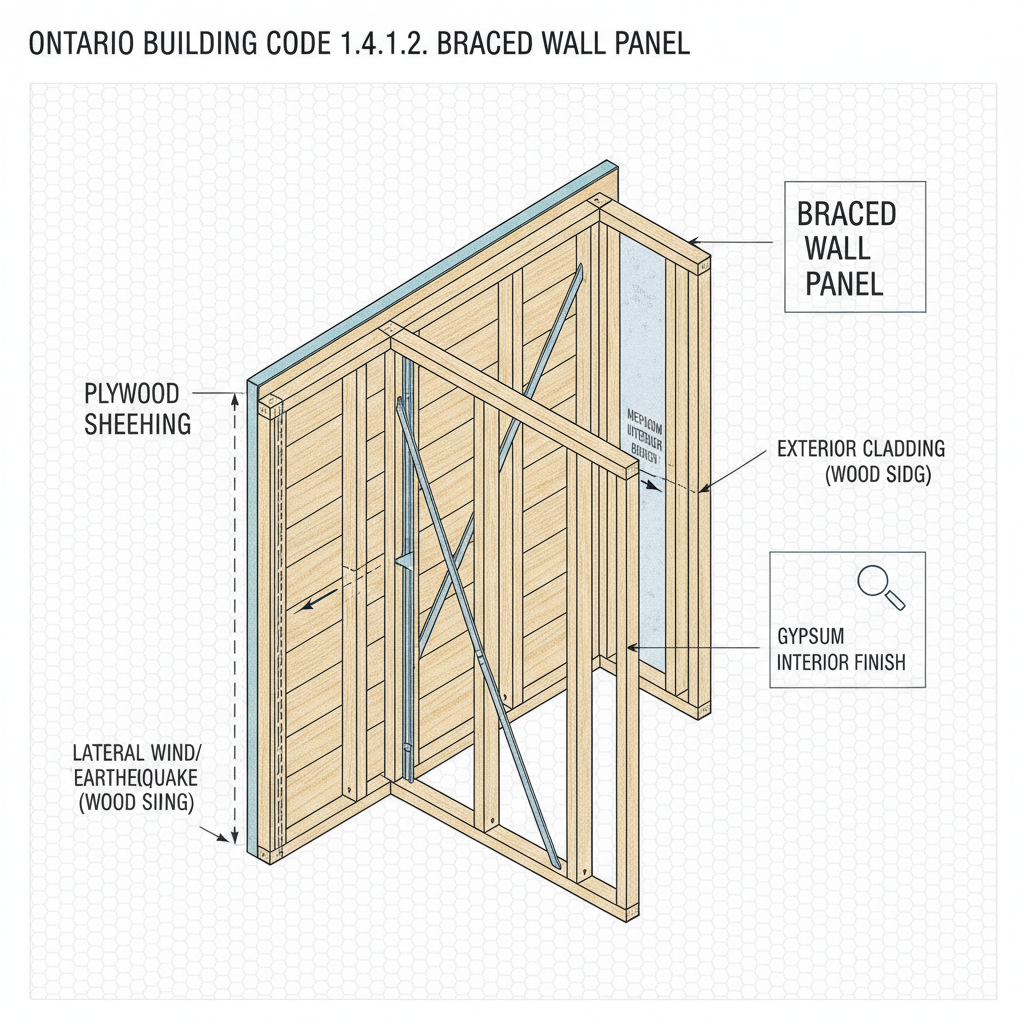
Braced Wall Panel: This refers to a specific portion of a wood-frame wall where the bracing, sheathing, or cladding is engineered to provide essential resistance against lateral loads caused by wind or earthquakes.
Building Area: Defined as the maximum horizontal area of a building above grade, measured to the outside surface of exterior walls or the centre line of firewalls.
Canopy: Any roof-like structure that projects more than 300 mm from the building's exterior face.
Plumbing, Drainage, and Environmental Systems
Branch and Branch Vent: These are critical components of a sanitary drainage system. A branch connects multiple drainage pipes, while a branch vent ensures proper air circulation and pressure equalization within the system.
Building Drain and Sewer: The building drain is the lowest horizontal piping that conducts sewage or storm water to the building sewer, which begins 1 meter outside the building wall and leads to public or private disposal systems.
Carbon Monoxide Alarm: A vital safety device designed to detect and alert occupants when CO concentrations reach dangerous levels within a suite or room.
Occupancy Classifications
Group D: Business and Personal Services
This classification covers buildings or parts thereof used for the transaction of business or the provision of professional services.
Group B: Care and Treatment Occupancies
These definitions distinguish between facilities where residents receive special care due to physical or cognitive limitations (Group B, Division 3) and those receiving specialized medical treatment (Group B, Division 2).
Disclaimer: This content is generated from the Ontario Building Code for educational purposes. Always consult with a licensed professional engineer or your local building department before starting any construction project in London, Ontario.